Choose from 2-day crater rim hikes or 3-day summit expeditions on Mount Rinjani. These guided treks include camping gear, meals, and experienced porters to help you navigate the trails from Senaru or Sembalun.

Hike through rainforest to camp on Senaru Crater Rim for views of the Gili Islands and Bali's Mount Agung.
 Free Cancellation
 This 3-day trek climbs Rinjani's 3,726m summit from Sembalun, visits Lake Segara Anak, and ends in Senaru village.

Look across the Lombok Strait to Bali’s Mount Agung from the 3,726-meter peak of Mount Rinjani.

Hike to the 3,726-meter summit of Mount Rinjani and camp beside the turquoise Segara Anak crater lake.

This three-day trek climbs to Rinjani’s 3,726m summit and descends to the shores of Segara Anak Lake.

Hike to Rinjani’s summit for sunrise, visit the crater lake, and soak in hot springs over three days.
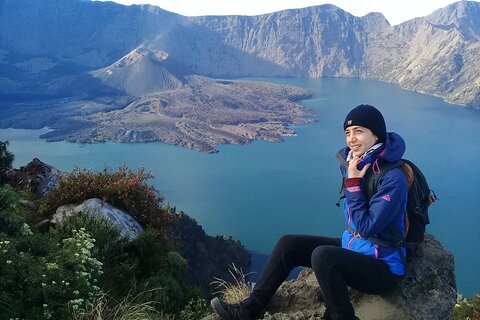
Hike 2,000 meters through Senaru’s jungle to a crater rim camp overlooking the volcano lake and Gili Islands.

Climb from Sembalun village to Mount Rinjani’s 3,726-meter summit on a two-day trek with a night at the crater rim.
 Free Cancellation
 Climb through rainforest to the Senaru crater rim for views of the Gili Islands and Bali's Mount Agung.
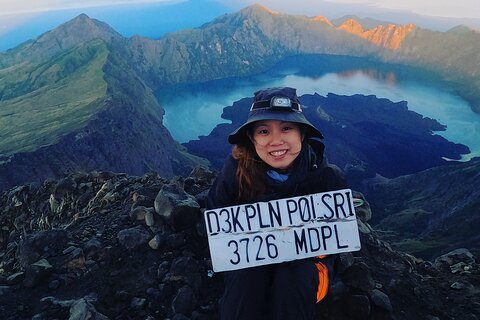
Climb to Mt. Rinjani’s 3,726m summit on a 2-day trek through Sembalun’s high meadows and steep volcanic ridges.
Read what travelers share about their experience visiting Mount Rinjani — from practical tips to personal highlights.
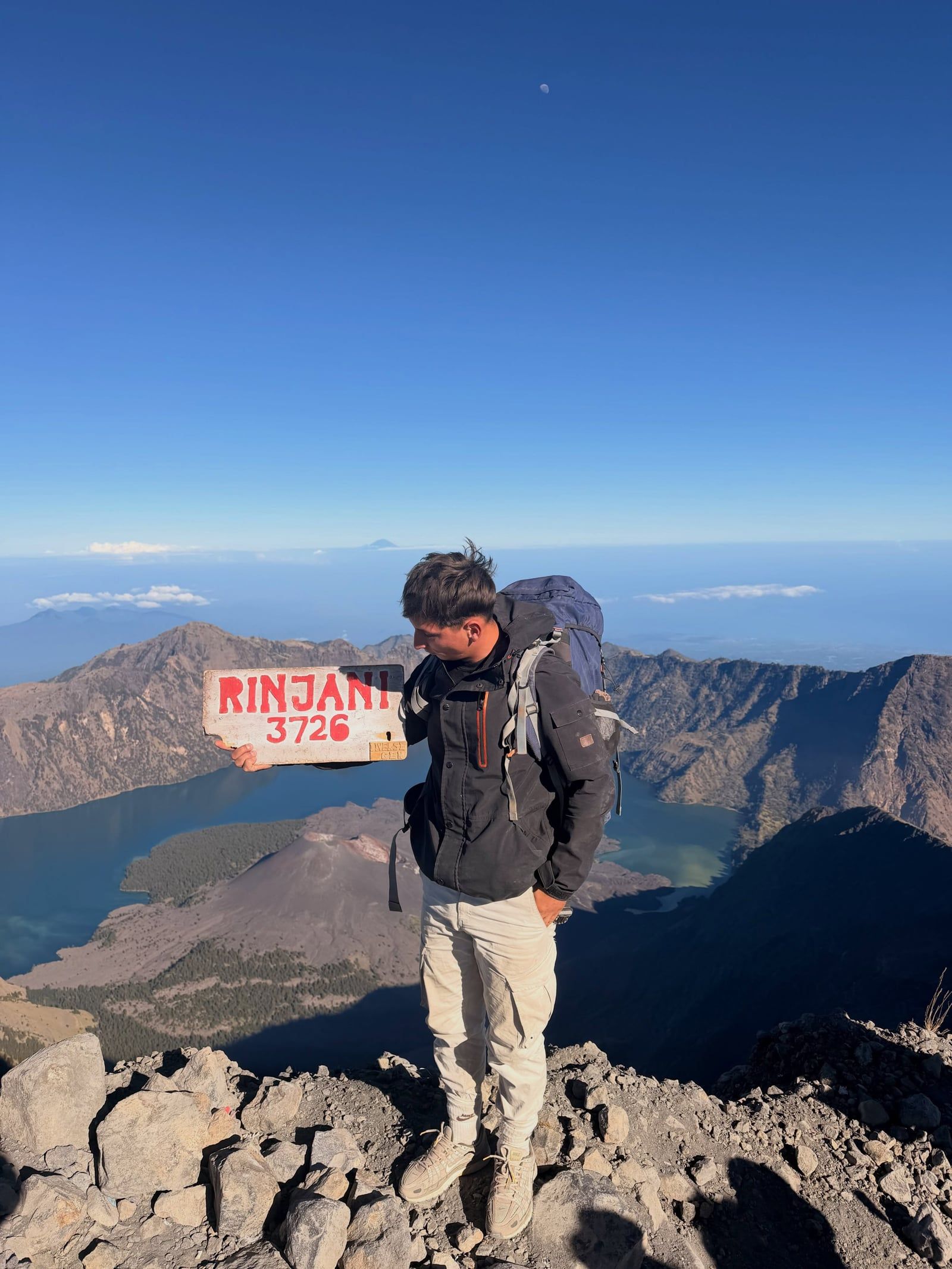
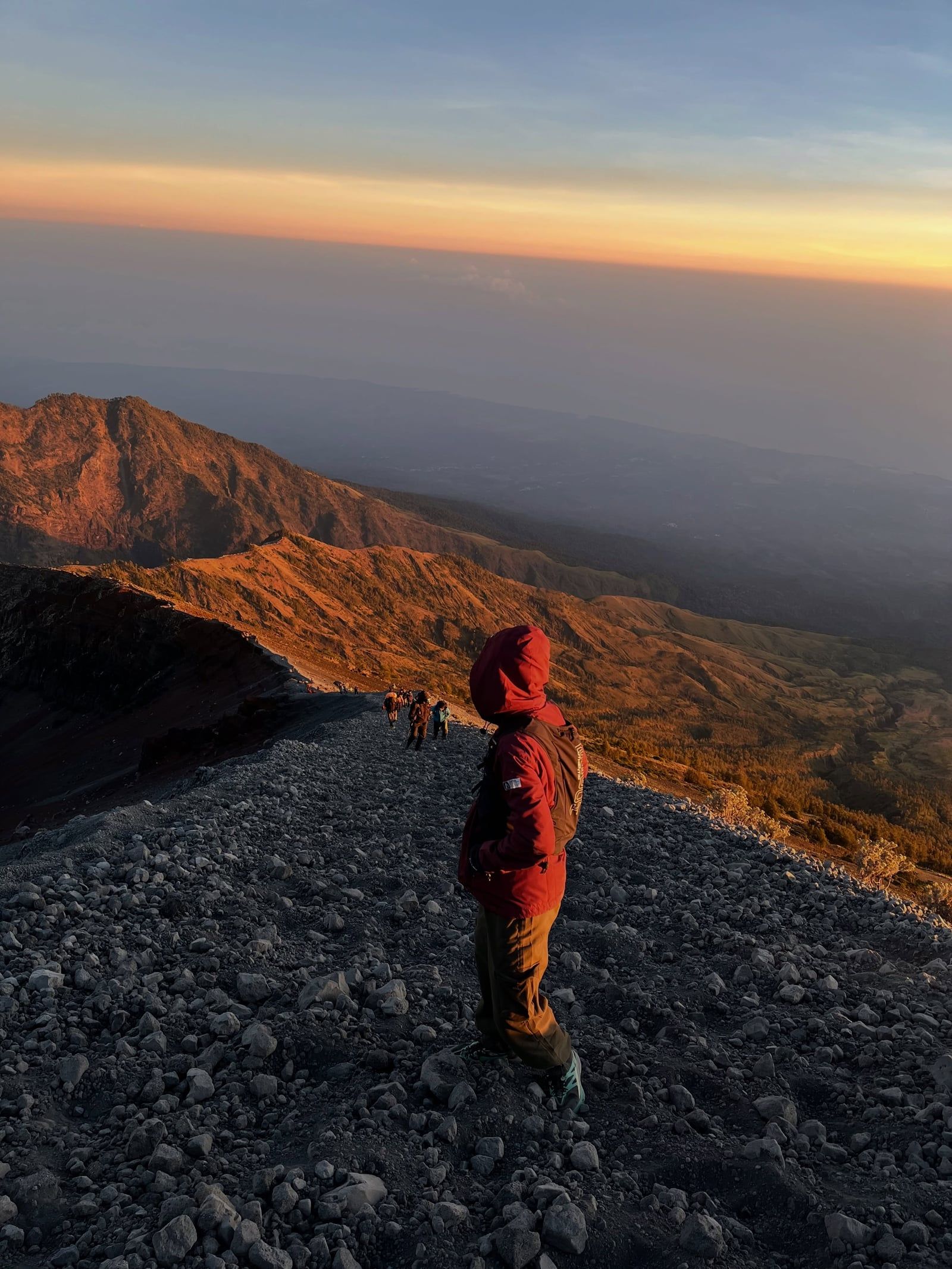
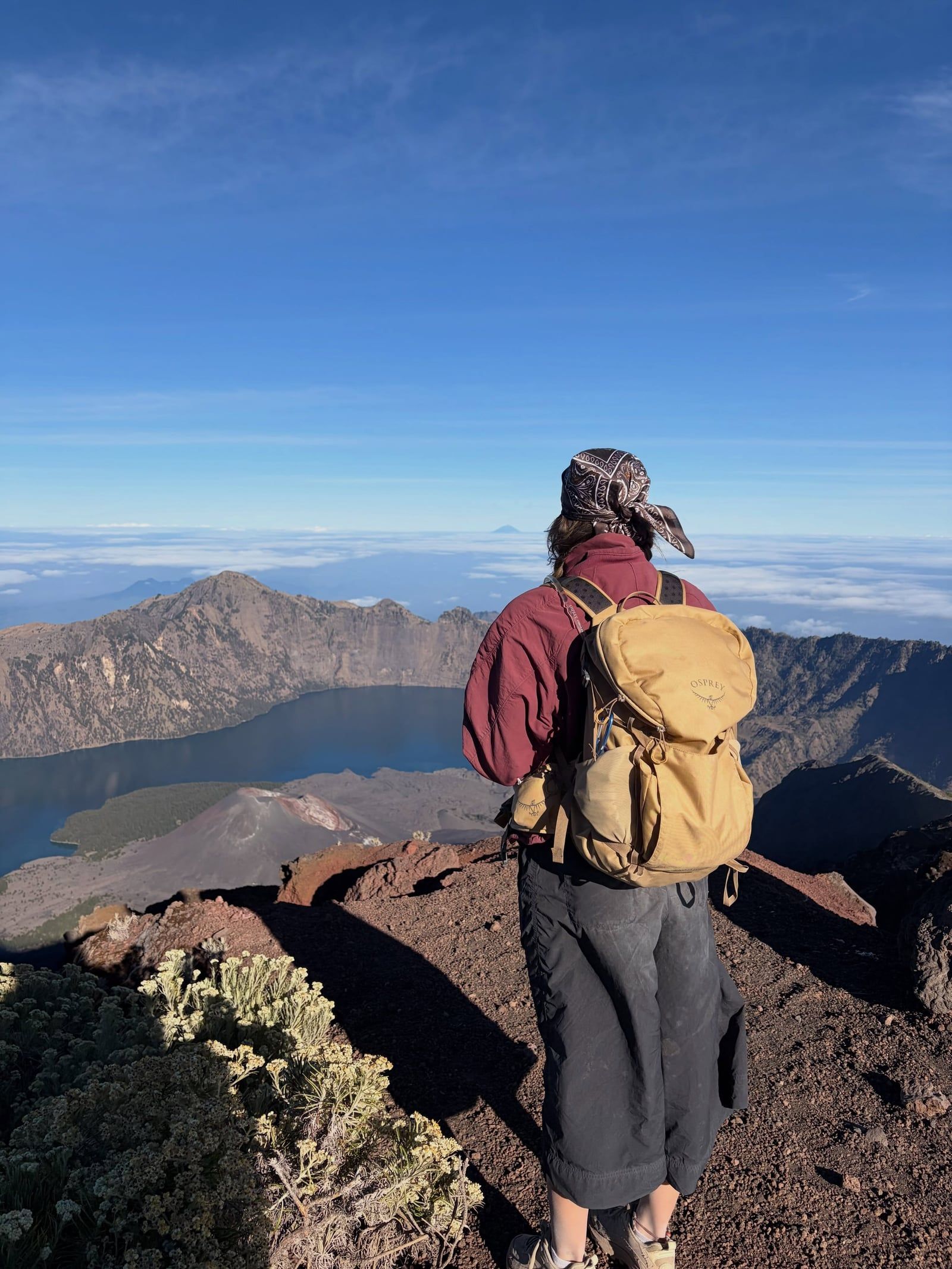
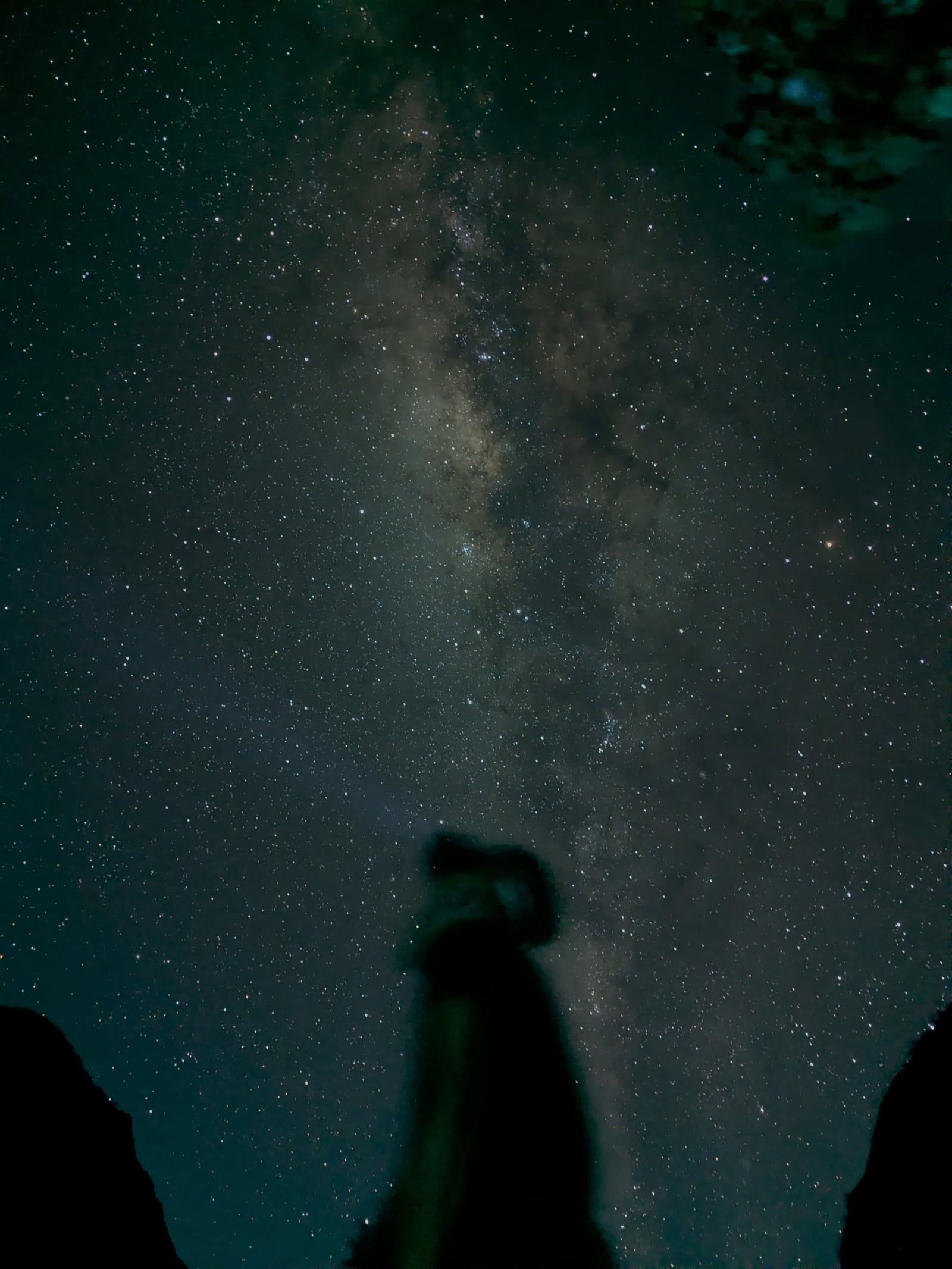
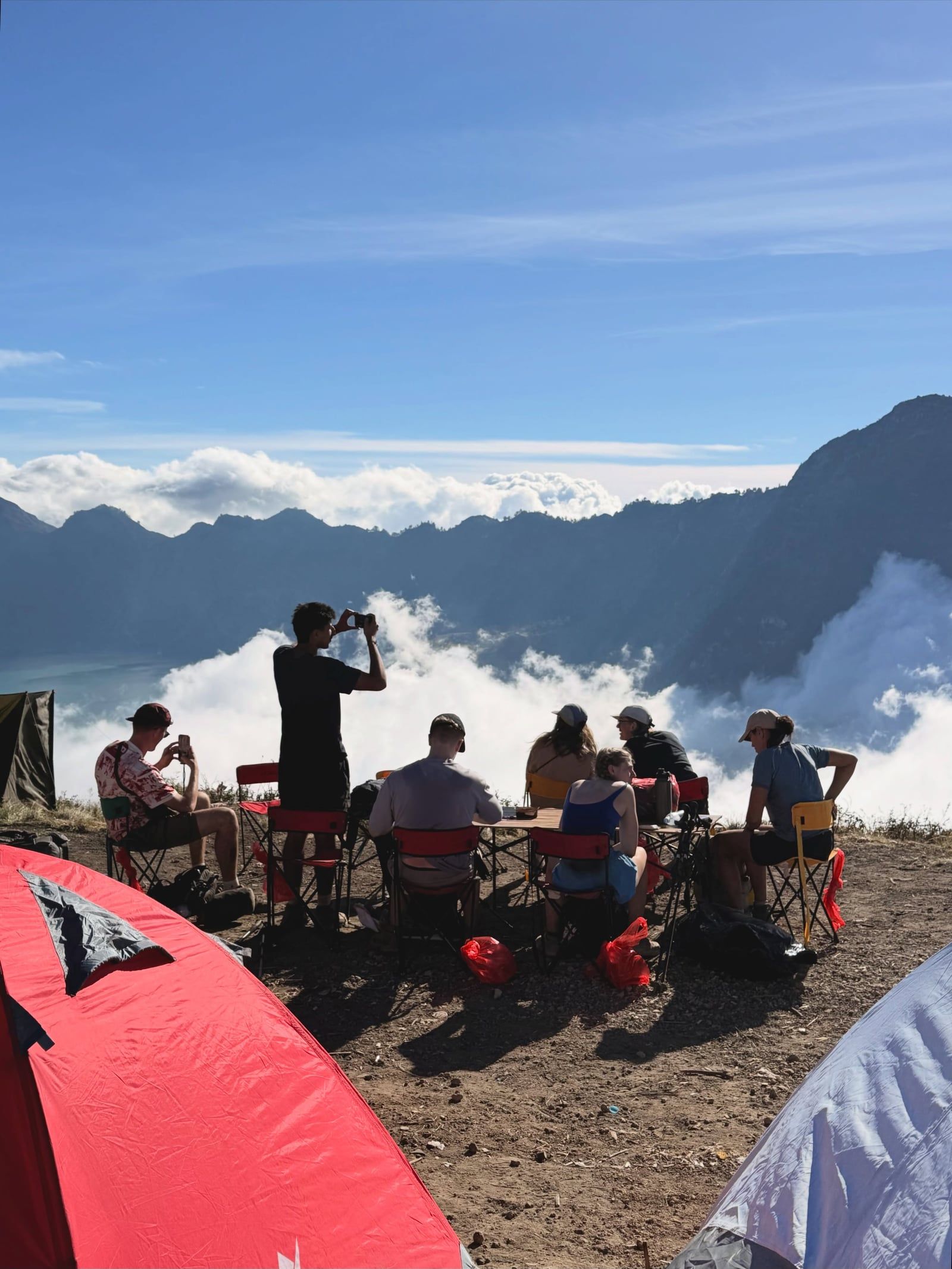
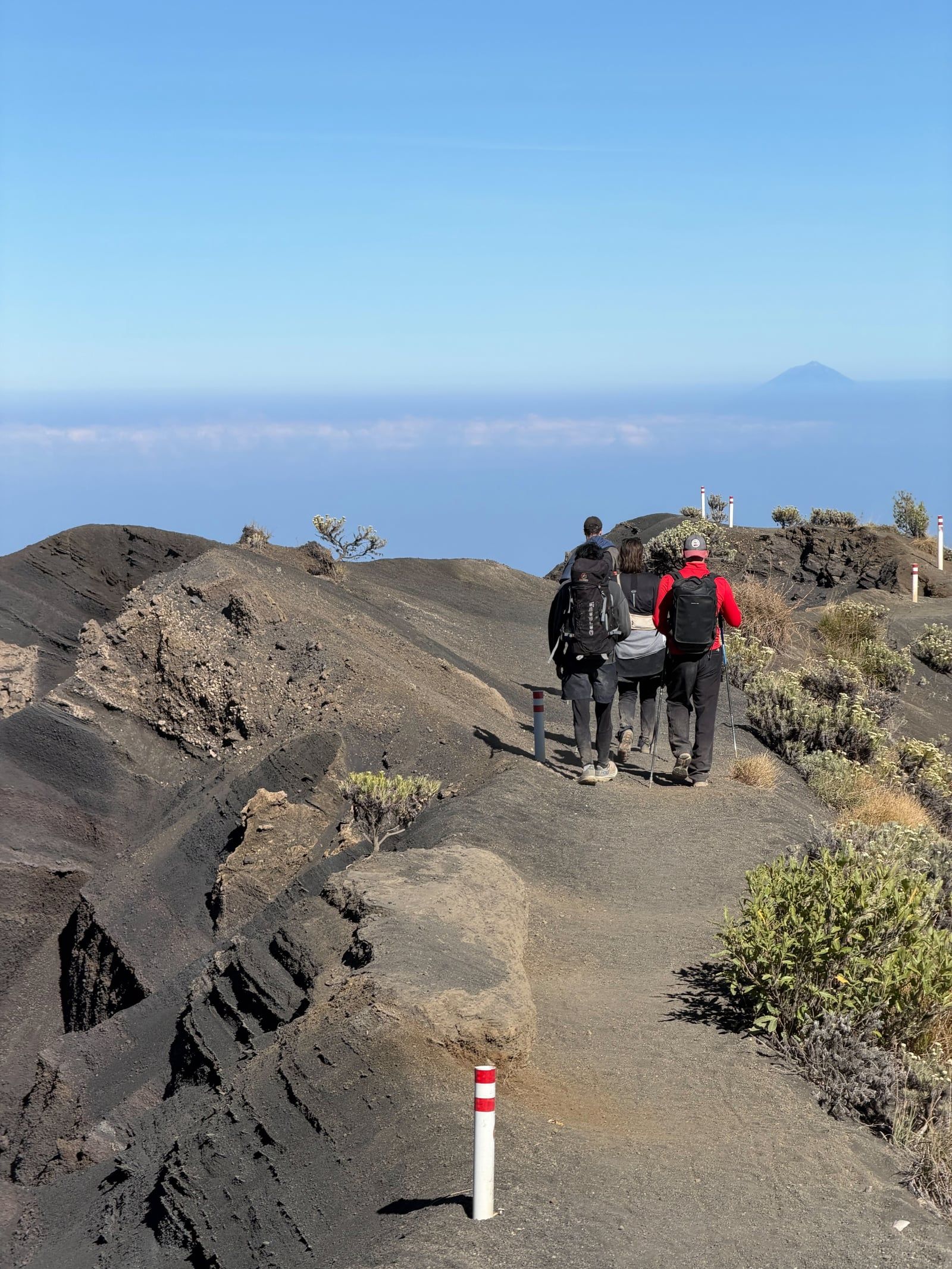
Mount Rinjani is a 3,726-meter active stratovolcano on the island of Lombok. Multi-day trekking tours take you up steep, unpaved trails to sleep on the crater rim. You will walk six to ten hours a day, rely on local porters for camping gear, and navigate loose volcanic sand.
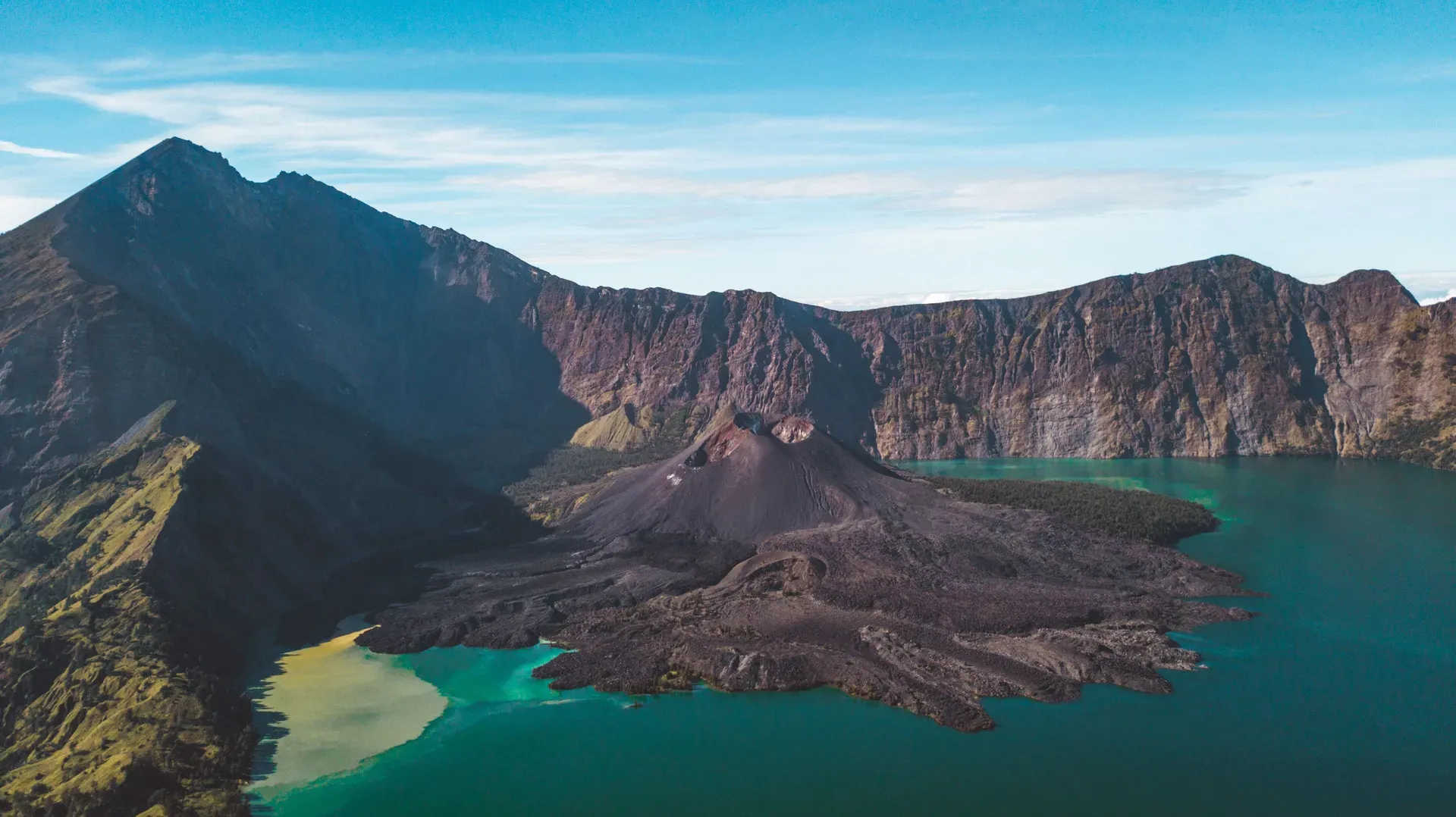
Trekkers reach this 2,600-meter camp on the first afternoon of most summit routes. You look directly across the 6-by-8.5-kilometer caldera to Segara Anak Lake. The active Mount Barujari cone rises from the water below.
Groups wake around 2:00 AM to climb the final 1,100 meters in the dark. The path is steep, exposed, and covered in deep volcanic scree. Reaching the 3,726-meter peak takes three to four hours.
This turquoise crater lake sits at 2,000 meters elevation. Three-day itineraries descend to its shores on the second day. Trekkers camp beside the water surrounded by sheer caldera walls.
Sulfurous warm water flows over volcanic rock a short walk from the lake camp. Known locally as Aik Kalak, these pools offer relief for sore muscles. The water temperature varies between pools.
The western approach climbs through dense montane forest. The tree canopy blocks the sun for the first 1,500 meters of ascent. Hikers frequently spot long-tailed macaques along this trail.
The eastern trailhead crosses rolling grasslands dotted with wild edelweiss. There is zero shade on this route. The hills turn bright green in May and fade to golden brown by October.
You cannot hike Mount Rinjani independently. Indonesian national park regulations require all foreign tourists to book a licensed guide and porter through a registered operator.
Every foreign trekker must use an officially registered trekking organizer. One licensed guide can lead a maximum of five guests. Rangers check e-Rinjani QR-code permits at the entry gates.
Most operators sell two-day crater rim treks or three-day summit and lake loops. Two-day trips skip the peak and are better for novices. Three-day trips require walking up to 10 hours on the middle day.
The national park caps daily entry numbers for each route. Permits sell out weeks in advance during the July and August peak season. Book early to secure your preferred start date.
Foreigners pay IDR 200,000 to 250,000 per day on the main routes, plus a mandatory IDR 290,000 trekking insurance fee. Nearly all tour packages include these costs in the upfront price. Confirm this with your operator.
Age alone is not a barrier, but high fitness is required. The summit approach involves climbing loose volcanic sand at altitude in near-freezing temperatures. Operators advise against the summit trek for those with poor cardiovascular health.
Guides recommend a minimum age of 10 for children attempting the mountain. Fit families should book the two-day Senaru crater rim trek. The summit route has exposed ridges and drop-offs that are dangerous for young kids.
Most three-day treks start in Sembalun and end in Senaru. You will not return to your starting point. Operators store your extra luggage at their base office and bring it to you at the finish line.
Many Rinjani trekking packages are strictly non-refundable once booked. A few operators offer full refunds if canceled 24 hours in advance. Read the specific terms on your selected tour.
Swipe to see more
| 2D1N Senaru Crater Rim | 2D1N Summit Trek | 3D2N Summit & Lake | |
|---|---|---|---|
| Duration | 2 Days / 1 Night | 2 Days / 1 Night | 3 Days / 2 Nights |
| Best for | Beginners and families wanting views without the extreme summit push | Fast, very fit hikers short on time | The complete Rinjani experience, including hot springs |
| Max Elevation | 2,641 meters | 3,726 meters | 3,726 meters |
| Price from | $152 | $170 | $235 |
Swipe to see more
Mount Rinjani National Park is open for trekking daily from 07:00 to 19:00 WITA. Official gate check-in runs from 07:00 to 15:00.
Trekking operators strongly recommend completing your check-in by 13:00 WITA. Starting later leaves you with too little daylight to safely reach the crater rim campsites before dark.
The park is completely closed to trekking from January 1 to March 31 every year. Heavy monsoon rains make the trails dangerous and prone to landslides during this period.
Most international visitors fly into Lombok International Airport (Praya). From the airport, it is a 2.5 to 3-hour drive north to the trekking gateway villages of Senaru or Sembalun.
If you are coming from Bali or the Gili Islands, take a fast boat to Bangsal Harbour on Lombok's northwest coast. The drive from Bangsal to Senaru takes about 90 minutes.
Almost all trekking packages include private transfers. Operators will pick you up from the airport, Senggigi, Mataram, or Bangsal Harbour and drop you off at your next destination after the hike.
The official trekking season runs from April 1 to December 31. May to October is the dry season and provides the best conditions for climbing.
July and August bring the clearest skies but also the heaviest crowds. Permits frequently sell out, and campsites on the crater rim become packed with tents.
May and September to October are the optimal months. You get a good balance of stable dry weather, warm days, and significantly fewer trekkers on the trails.
Mount Rinjani is not accessible to wheelchair users. The trails are steep, rocky, and consist largely of unpaved volcanic terrain with zero adapted infrastructure.
The hike requires sustained physical exertion over multiple days. Tour operators explicitly state the trek is not recommended for pregnant travelers or those with spinal injuries or poor cardiovascular health.
Older trekkers routinely complete the hike, but excellent baseline fitness is required. The two-day Senaru route is a gentler alternative for those who want to avoid the grueling 3,726-meter summit push.
There are no permanent lodges, restaurants, or paved bathrooms on the mountain. You will sleep in tents pitched by your porters at designated dirt campsites.
Trekking packages include all necessary camping gear. Porters carry and set up double-size tents, sleeping bags, sleeping mats, and small camping chairs.
For toilets, porters dig a hole at the campsite and set up a small privacy tent over it. They also provide toilet paper. You must carry your own daypack with water, extra layers, and personal items.
The national park enforces a strict pack-in/pack-out waste policy. Rangers inspect bags at the entry gates.
A standard two-day trek costs around $150 to $175, while three-day itineraries range from $230 to $250. This price typically includes your licensed guide, porters, all meals, camping equipment, and hotel transfers. Entrance fees and the mandatory trekking insurance are also usually covered, but verify this with your specific operator.
No. Your tour includes local porters who carry all the heavy camping equipment, food, and cooking gear. They hike ahead of the group to set up the tents and prepare meals. You only need to carry a small daypack with your water, jacket, and personal items.
No. National park regulations require all foreign tourists to hire a licensed guide and porter through a registered trekking organizer. Rangers check your mandatory e-Rinjani permit at the gate, and you will be denied entry if you show up alone.
Yes, it carries genuine risks. The trails feature steep, narrow ridges and loose volcanic sand. Fatal falls have occurred when hikers strayed from the marked paths. You must follow your guide's instructions and stay away from the crater edges.
Cancellation policies depend on the operator. Many tours on Viator state that all sales are final and offer no refunds for cancellations. A few operators allow full refunds if you cancel at least 24 hours before departure.
Temperatures at the crater rim and summit drop close to freezing at night. Even during the dry season, high winds make it feel colder. You need to pack a warm jacket, gloves, and a beanie for the pre-dawn summit push.
There are no permanent bathrooms on the trails or at the campsites. Your porters will dig a hole and set up a small, dedicated toilet tent over it at camp. They provide toilet paper, but you cannot bring wet wipes into the park.
Sembalun starts in open savanna and is the required route if you want to reach the 3,726-meter summit. Senaru climbs through dense, shaded rainforest and is best for two-day treks that only go to the crater rim. Most three-day tours start in Sembalun and finish in Senaru.
Guides generally recommend a minimum age of 10, and only for children with high physical fitness. The full summit trek is too long and exposed for most kids. Families should book the two-day Senaru crater rim trek instead.
Most trekking packages include the daily national park entrance fee (IDR 200,000 to 250,000 per day) and the mandatory trekking insurance (IDR 290,000). Always check the 'Inclusions' section of your specific tour to be certain.
Browse verified tours with free cancellation and instant confirmation.
Find Tours


This two-day trek to the Senaru Crater Rim at 2,641 meters is the only Rinjani route for beginners. The path starts in Senaru village and climbs through thick rainforest for about six hours on the first day. It’s a steep walk. You’ll hear cicadas in the canopy until the trees thin out near the rim. This is the one to book. Your campsite sits on the crater edge and overlooks the Segara Anak lake and the active volcano cone. At dusk, the sun sets behind Bali’s Mount Agung across the sea. Temperatures often drop to 10°C at night. Pack a heavy fleece. Arrive in Senaru a day early to visit the Sendang Gile and Tiu Kelep waterfalls. The Tiu Kelep trail requires you to wade through ankle-deep water, so wear sandals with straps.
All sales are final. No refund is available for cancellations.
Malay, English


You’ll climb from Sembalun village to the 3,726-meter summit and descend through Senaru over three days. The route hits the Sembalun Crater Rim on the first night, followed by a 2:00 AM summit push the next morning. After the peak, you drop down to the shores of Lake Segara Anak. It’s a fast-paced itinerary. This trek requires eight hours of daily hiking across loose volcanic scree and steep forest trails. It’s for fit hikers. You’ll need reliable boots and enough stamina to handle 1,000-meter elevation shifts in a single afternoon. Pack extra socks for the damp conditions by the lake. If your knees are weak, take the shorter Sembalun-only route instead.
For a full refund, cancel at least 24 hours before the scheduled departure time.
English


The 3,726-meter summit overlooks the entire Lombok coastline and the nearby Gili Islands. To the west, you'll see the silhouette of Bali’s Mount Agung across the Lombok Strait. The three Gili islands look like small white-sand circles in the blue water below. It's a cold wait for sunrise at the top. Bring a down jacket and gloves. The final ascent starts around 2:00 AM and takes three hours over loose volcanic scree. It's a two-steps-forward, one-step-back slog. If the wind picks up, the temperature often drops below freezing. Clouds usually roll in by noon and block the horizon. Reach the peak early or you'll miss the view of Java in the distance. Book the three-day trek if you want to see the turquoise crater lake. The two-day summit sprint is mainly for those with high fitness and little time.
All sales are final. No refund is available for cancellations.
German, Vietnamese, English, French


The trek climbs to the 3,726-meter summit of Mount Rinjani over three or four days. Most groups start in Sembalun to reach the eastern crater rim before a midnight scramble to the peak for sunrise. You'll see the Gili Islands and Bali’s Mount Agung from the top. The final kilometer of volcanic ash is a slog. You'll descend 600 meters from the rim to the shores of Segara Anak Lake. There are natural hot springs near the campsite where the water sits at a steady 40°C. The trail then climbs back to the Senaru crater rim, showing the active Barujari cone inside the caldera. It's a steep climb. Bring a headlamp with extra batteries for the summit night. The national park closes every year from January to March due to heavy monsoon rains. If you’re short on time, the two-day trek reaches the rim but skips the lake descent. Skip that option. The lake is the best part, so book the three-day trip instead.
All sales are final. No refund is available for cancellations.
English


The three-day Sembalun route is the standard way to reach both the 3,726-meter summit and the crater lake. You’ll spend the first day climbing through open grasslands for about seven hours to reach the Sembalun Crater Rim at 2,639 meters. The path is exposed to the sun, so bring a hat. From the rim, you can see the sun set over the caldera and the lights of northern Lombok. The summit push starts at 2:00 AM. It’s a three-hour climb through loose volcanic scree that feels like walking on sand. Wear gaiters to keep the ash out of your boots. Once you’ve descended from the peak, the trail drops 600 meters to the shores of Segara Anak Lake. You can soak in the hot springs there before the final day’s hike out. Pack a down jacket and a headlamp. Temperatures at the summit drop near freezing, even if the valley is 30°C. Skip this trek from January to March when the park closes for the monsoon.
All sales are final. No refund is available for cancellations.
Malay, English


This three-day trek starts in Sembalun and crosses open grasslands to reach the crater rim. You'll see the sun set over the lake and northern Lombok from there. The summit push begins at 3 AM. It’s a three-hour climb on loose volcanic scree to reach the top for sunrise. Eat a quick snack before you go, then return to the rim for a full meal. It’s a slog—but the view of the entire island makes it worth the effort. After breakfast, the trail drops into the crater toward the lake and natural hot springs. You'll spend the second night on the Senaru side of the rim. This spot looks back at the summit and across the sea to the Gili Islands and Bali’s Mount Agung. The final day is a six-hour descent through thick jungle. Wear boots with good grip for the damp forest floor. You'll stop for lunch just before reaching Senaru village.
All sales are final. No refund is available for cancellations.
English


This two-day trek skips the summit in favor of a 2,641-meter campsite on the Senaru crater rim. You'll start at 600 meters in Senaru village and climb through dense jungle. Most of the trail stays under the canopy. That makes it the best choice for hikers who want to avoid the direct sun found on the alternate Sembalun route. It's steep. Expect a six-hour uphill walk on the first day. The campsite sits on a narrow ridge overlooking the Segara Anak lake and the Baru Jari volcano. From this height, you can see half of Lombok and the three Gili Islands. At dusk, the sun sets behind the peaks of Bali in the distance. Sunrise appears between Rinjani’s main summit and Mount Sangkareang. Bring a heavy fleece. Even in the dry season, the wind on the rim is biting.
All sales are final. No refund is available for cancellations.
English


This two-day trek climbs from 1,156 meters in Sembalun village to the 3,726-meter summit of Mount Rinjani. You'll spend the first night at the 2,639-meter crater rim camp after a 1,483-meter ascent. It's a long walk through open grasslands where there's no shade. Pack high-SPF sunscreen and a wide-brimmed hat. The wind picks up at the rim as soon as the sun drops. It gets cold fast. The final push to the summit starts at 2:00 AM and takes about four hours. The trail is loose volcanic scree—two steps up, one step back. It's exhausting. From the top, you'll see the Agung volcano on Bali and the Gili Islands. After sunrise, you'll descend back to the crater rim for breakfast and then continue down to the village. The midday heat on the lower slopes is intense, so try to finish before 2:00 PM. This route reaches the summit faster than others but is significantly steeper. Your knees will feel the 2,570-meter descent on the second afternoon. Rent trekking poles in the village if you don't have your own. They're essential for the scree slopes.
All sales are final. No refund is available for cancellations.
English


The Senaru crater rim route is the only trek on Mount Rinjani manageable for children and novice hikers. You'll spend six or seven hours climbing from Senaru village through heavy tropical rainforest. The canopy blocks the sun for most of the 1,500-meter ascent until you reach the ridge. It's a relentless uphill walk. If it's raining, the trail turns into a mud slide—skip the sneakers and wear boots with deep lugs. Tents are pitched at 2,641 meters directly on the crater's edge. You'll see the Gili Islands and the outline of Mount Agung in Bali from the campsite. At dawn, the sun rises behind the main Rinjani summit, casting light over the turquoise lake 600 meters below. It's cold and windy on the rim. Pack a heavy layer for the night, even if the trailhead felt like a furnace.
For a full refund, cancel at least 24 hours before the scheduled departure time.
English


The trek begins at 1,100 meters in Sembalun village and follows a long, exposed path through high-altitude meadows. You'll climb five steep hills to reach the crater rim camp at 2,600 meters. There's no tree cover here. The heat is constant until you reach the higher ridges, so pack extra water for the first four hours. It’s the most direct way to the top. The final ascent to the 3,726-meter summit starts at 2 a.m. You'll need a headlamp and warm layers to handle the wind while waiting for sunrise at the peak. The terrain is mostly loose volcanic scree, which makes the footing heavy and slow. Once the sun is up, you'll head straight back down the same way to Sembalun. Don't skip the trekking poles; your knees will need them on the 2,600-meter descent.
All sales are final. No refund is available for cancellations.
English