Explore the stunning crater rims, lakes, and summit of Mount Rinjani on a guided hiking trek. Choose from 2-day beginner routes to comprehensive 3-day summit adventures.

Climb through Senaru's rainforest to camp on the Rinjani crater rim with views of the Gili Islands and Bali.
 Free Cancellation
 This 3-day trek crosses Mount Rinjani from Sembalun to Senaru via the 3,726m summit and Lake Segara Anak.

See across Lombok to the peaks of Bali and Java from Mount Rinjani’s 3,726-meter summit.

Climb the 3,726m summit and camp at the crater lake on this three-day trek across Mount Rinjani's volcanic ridges.

This three-day trek reaches Rinjani’s 3,726m summit for sunrise before descending to the crater lake and hot springs.

Climb 2,570 meters over two days to reach Mount Rinjani's 3,726-meter summit from Sembalun village.
 Free Cancellation
 Hike Senaru's rainforest to camp on the Rinjani crater rim with views of Mt Agung and the Gili Islands.
 Free Cancellation
 Climb to the 3,726-meter summit of Mount Rinjani for sunrise views over the crater lake and Bali.
 Free Cancellation
 Reach the Senaru crater rim on this two-day trek for sunset views over Rinjani's lake and volcanic cone.

Climb the 3,726m summit, visit Segara Anak lake, and hike both Rinjani crater rims on this four-day traverse.
Read what travelers share about their experience visiting Mount Rinjani — from practical tips to personal highlights.
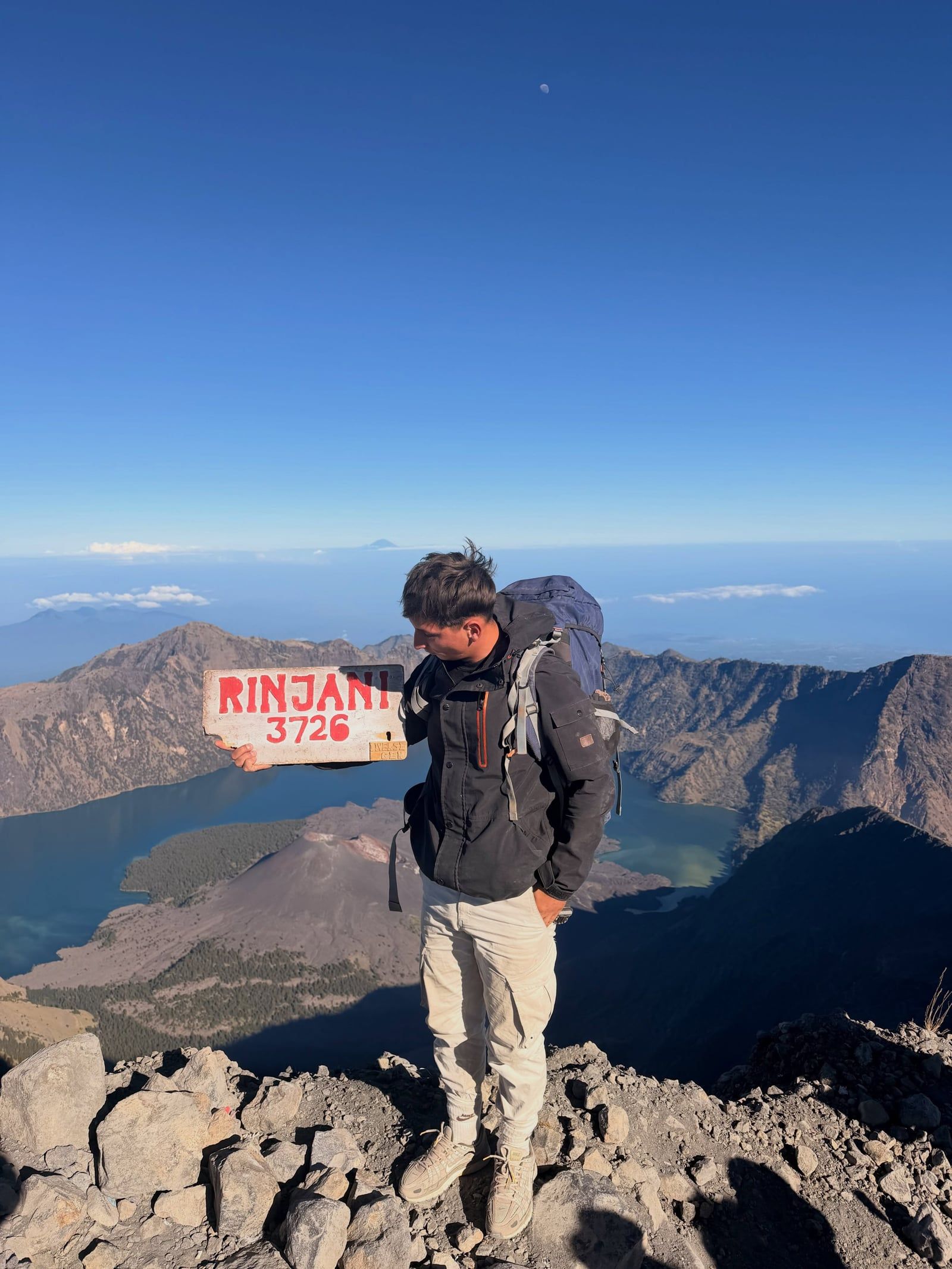
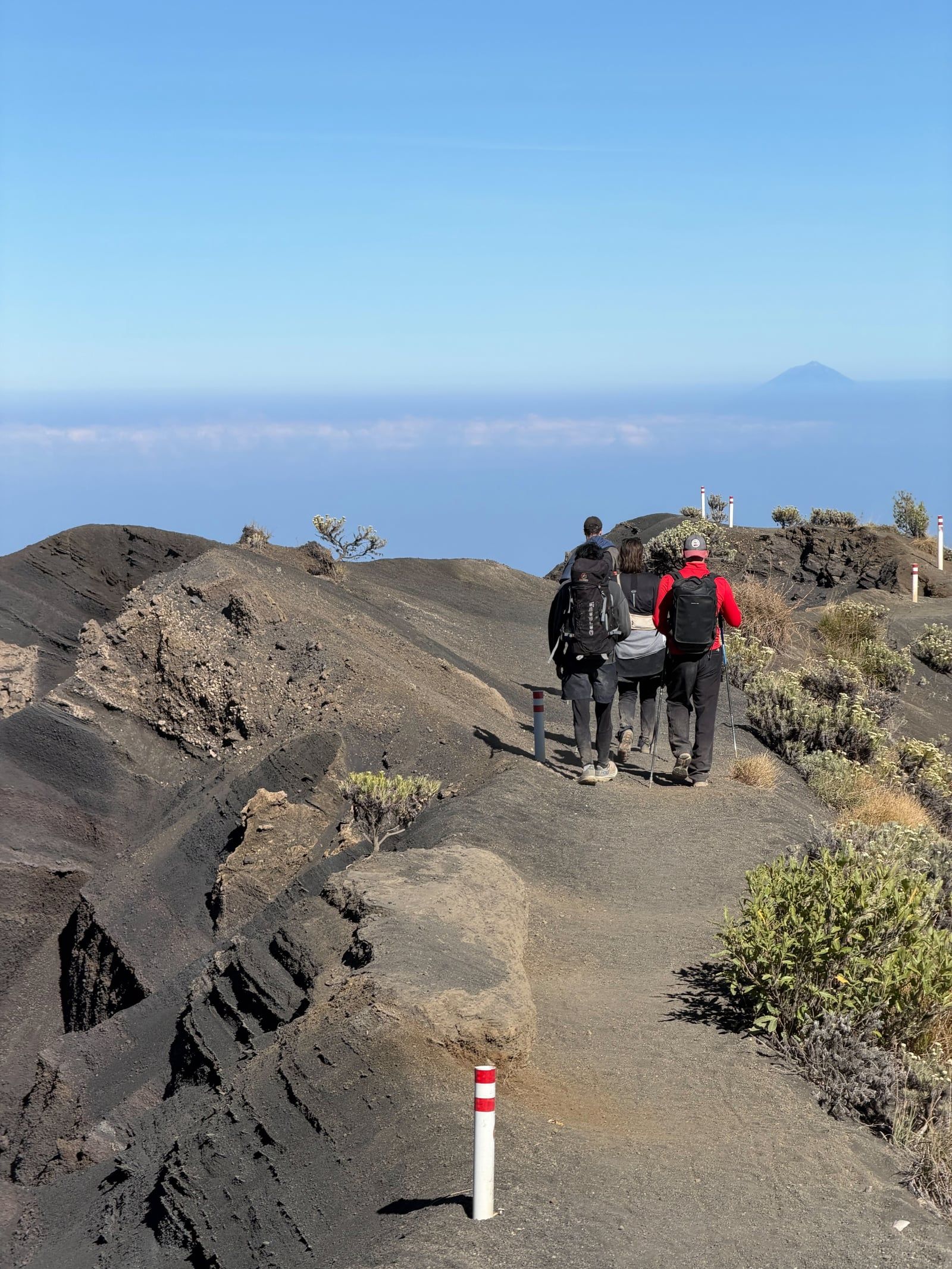
Mount Rinjani is an active 3,726-meter stratovolcano on Lombok requiring multi-day guided treks. Most tours cover two to four days of steep climbing through rainforests and exposed volcanic ridges. The climb demands serious stamina.
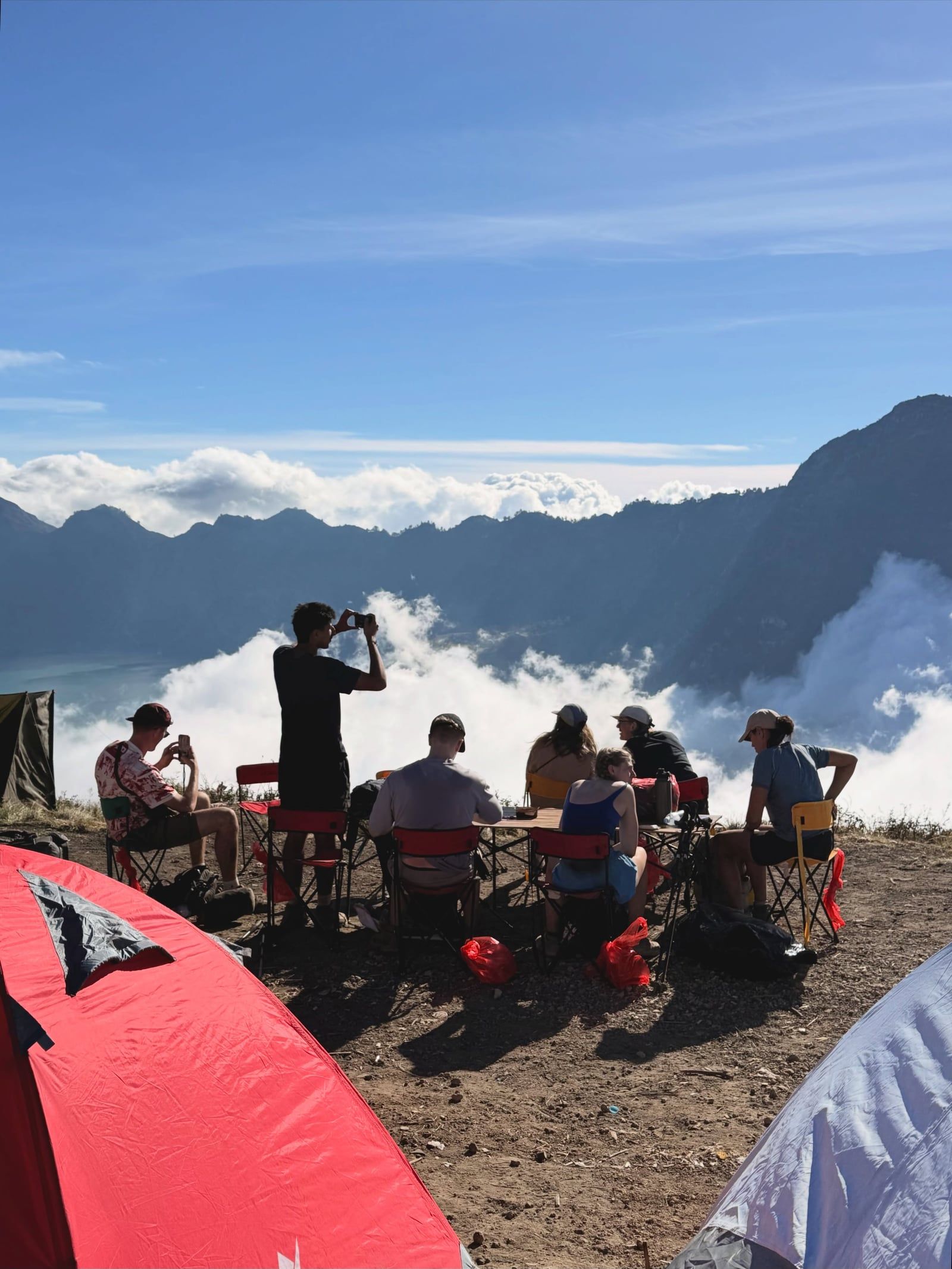
The eastern rim sits at 2,600 meters. Trekkers camp here on the first night of summit itineraries. The ridge looks directly down into the caldera and across to the peak.
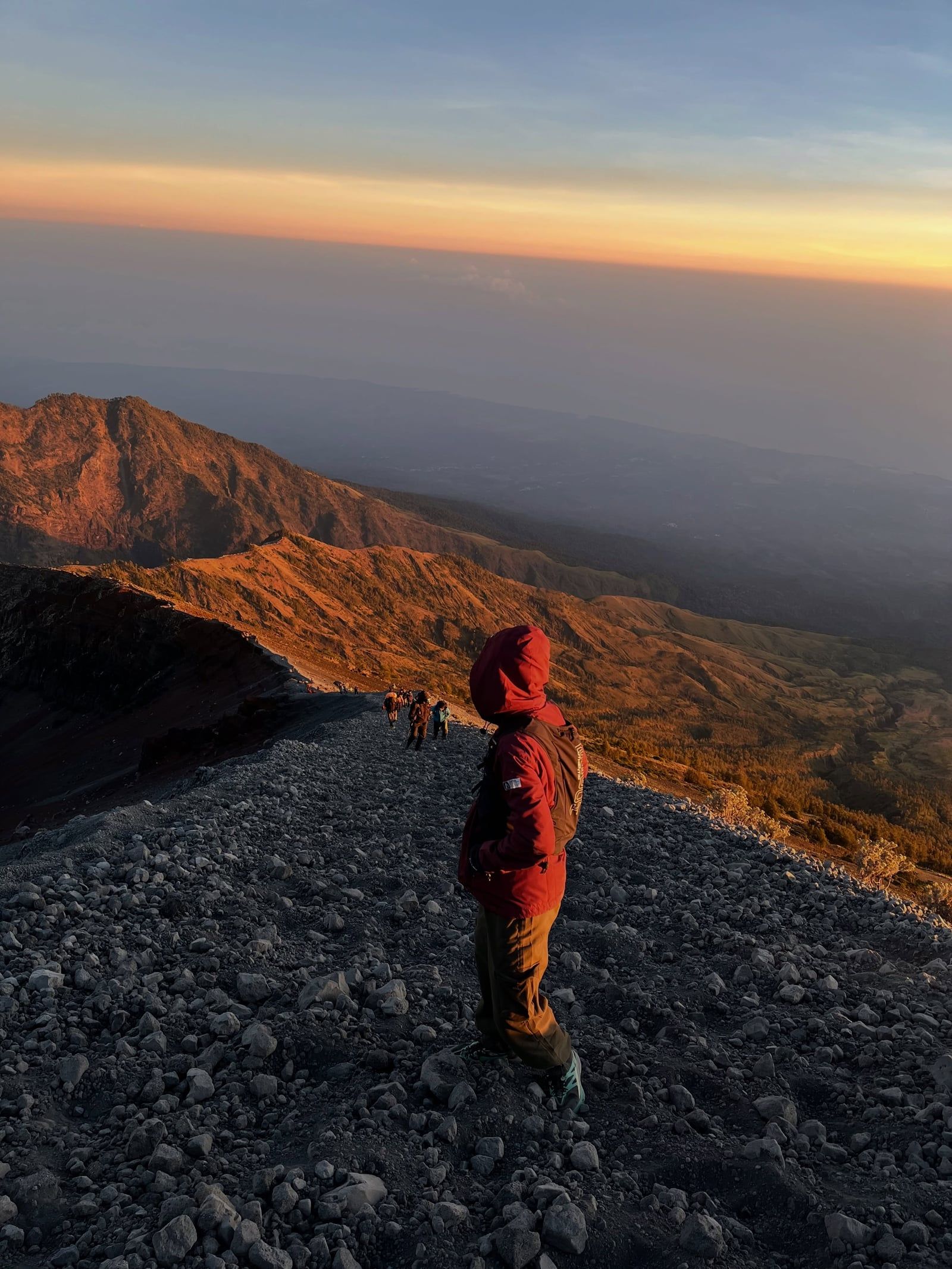
Climbers leave camp around 2:00 AM. The final ascent requires three hours of navigating steep, loose volcanic sand by headlamp. Temperatures often drop near freezing before dawn.
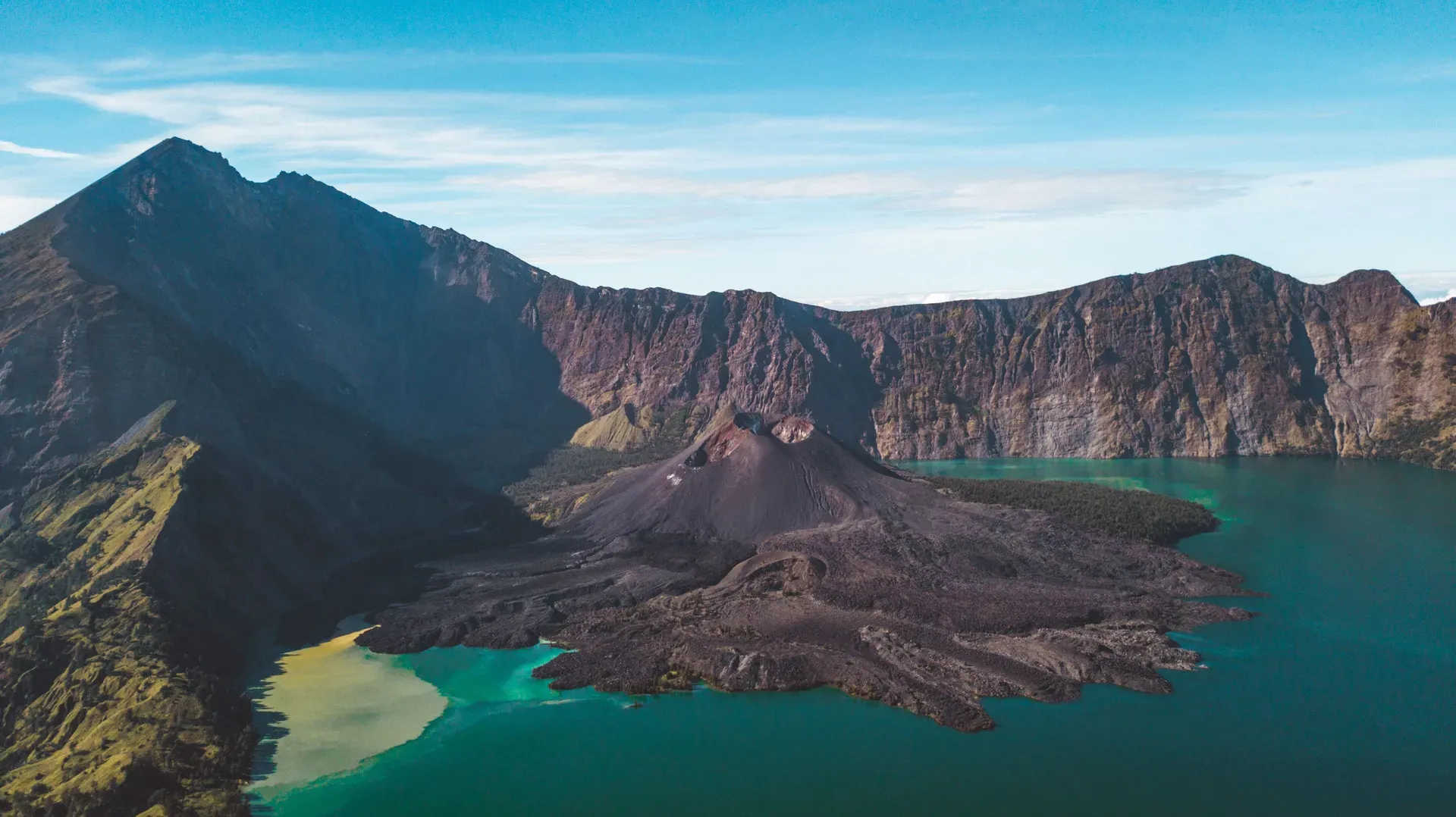
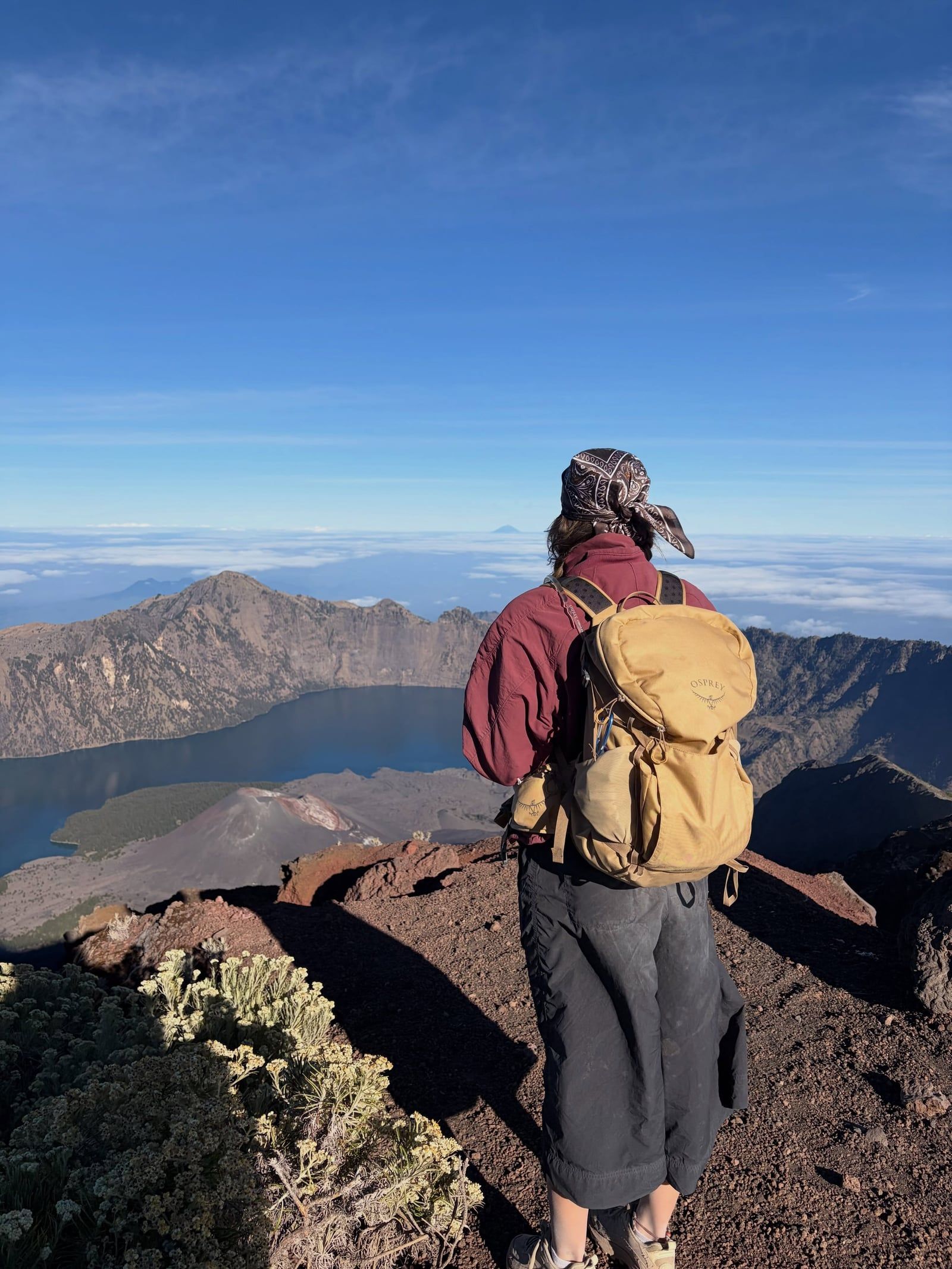
A turquoise crater lake fills the 6-by-8.5-kilometer caldera. Three-day tours descend 600 meters from the rim to camp along the shoreline.
Natural thermal waters flow over volcanic rock near the lake camp. Trekkers use these sulfurous pools to soak tired muscles after the long descent from the summit.
The western descent route passes through dense montane canopy. This section blocks the intense sun and hosts native wildlife, including long-tailed macaques and endemic birds.
Booking a Rinjani trek requires securing an official park permit and a licensed guide well before your arrival. The national park enforces strict daily quotas and mandatory insurance for all foreign visitors.
Operators sell two-day crater rim treks and three- or four-day summit packages. The 3D/2N route is the standard choice for reaching both the peak and the crater lake.
Foreigners pay IDR 200,000 to 250,000 per day for park entry, plus a mandatory IDR 290,000 trekking insurance fee. Most tour operators roll these costs into the final package price.
Independent hiking is illegal for international tourists. You must book through a registered trekking organizer, and one licensed guide can lead a maximum of five guests.
The trail requires climbing up to 1,500 vertical meters in a single day. The summit push involves hours of slipping on loose volcanic scree. You need high cardiovascular fitness for the three-day routes.
Trekking packages start and end at different villages. Operators store your extra travel bags at their base offices in Senaru or Sembalun and return them when you finish.
Your crew transports the tents, sleeping bags, cooking gear, and food. You only carry a daypack with water, layers, and personal items, unless you pay extra for a personal porter.
The national park completely shuts down trekking operations from January 1 to March 31. Heavy monsoon rains make the steep trails dangerous during this period.
Swipe to see more
| 2D/1N Senaru Crater Rim | 2D/1N Sembalun Summit | 3D/2N Summit & Lake | |
|---|---|---|---|
| Duration | 2 Days / 1 Night | 2 Days / 1 Night | 3 Days / 2 Nights |
| Target Hiker | Beginners wanting views without the grueling summit push | Extremely fit hikers short on time | Standard visitors wanting the complete Rinjani experience |
| Max Elevation | 2,641 meters | 3,726 meters | 3,726 meters |
| Typical Price | $165 - $190 USD | $170 - $175 USD | $180 - $250 USD |
Swipe to see more
The Gunung Rinjani National Park trekking gates open daily from 07:00 to 15:00 WITA. Tour operators require you to complete check-in by 13:00 WITA. This schedule leaves enough daylight to hike the six to eight hours needed to reach the crater rim campsites before dark.
The park strictly closes all trails from January 1 to March 31 every year. Heavy rains trigger landslides and make the paths unsafe during these months.
Most international visitors fly into Lombok International Airport (Praya). From the airport, a private car transfer takes 2.5 to 3 hours to reach the trekking gateway villages of Senaru or Sembalun.
Travelers arriving from Bali or the Gili Islands by fast boat dock at Bangsal Harbour. The drive from Bangsal to Senaru takes about 1.5 hours. Almost all multi-day trekking packages include round-trip hotel or port transfers in their base price.
May to October brings the dry season and the safest trail conditions. July and August offer the clearest skies but draw the heaviest crowds, often filling the daily park quotas.
May, September, and October provide a better balance. The weather remains largely stable, but the campsites at the crater rim and lake feel much less congested. November and December see increasing rain and humidity, making the steep descents slippery.
Mount Rinjani lacks wheelchair-adapted infrastructure. The trekking routes consist of steep, rocky, and unpaved volcanic terrain. Hikers must navigate narrow exposed ridges and loose scree slopes.
Guides enforce a minimum age of 10 for children attempting the mountain. Older trekkers routinely complete the hike, but age alone matters less than cardiovascular fitness and joint health. The descent places heavy strain on knees and ankles.
The national park provides no permanent infrastructure on the mountain. Porters carry and assemble toilet tents over dug holes at each campsite. There are no showers, though the three-day routes include a stop at the natural Aik Kalak hot springs.
Cellular service disappears shortly after leaving the trailhead villages. Trekkers sleep in double-occupancy tents on thin foam mattresses provided by the tour operators.
The park enforces a strict pack-in, pack-out waste policy. Rangers inspect bags at the gate. Single-use plastics, wet wipes, glass bottles, and styrofoam containers are banned.
Portable speakers are prohibited on the trail. Flying a drone requires advance written permission from park authorities. Rangers will confiscate unauthorized drones and place violators on a public blacklist.
Multi-day packages typically range from $165 to $250 USD per person. This covers your licensed guide, porters, camping equipment, all meals on the mountain, and round-trip transfers.
No. Your tour includes a team of porters who carry all communal camping gear, sleeping bags, and food. You only carry a daypack with your water, clothing, and personal items.
Most full-service tour operators include the IDR 200,000 to 250,000 daily entrance fee and the mandatory IDR 290,000 trekking insurance in their package price. Check your specific tour inclusions to be sure.
No. National park regulations require all foreign tourists to hire a licensed guide through a registered trekking organizer. One guide can lead a maximum of five trekkers.
Temperatures at the crater rim and summit often drop near freezing (0°C) before dawn. You need a warm jacket, beanie, and gloves for the 2:00 AM summit push, even during the dry season.
The summit push is optional. If you feel exhausted or altitude sick, you can stay in your tent at the Sembalun crater rim camp and wait for the rest of your group to return.
There are no permanent restrooms on the mountain. Your porters will set up a small toilet tent over a dug hole at the campsites. You must bring your own toilet paper and pack it out.
Drones are banned inside the national park without a special permit. Rangers actively check for them and will confiscate unauthorized equipment at the campsites.
Tour operators provide secure luggage storage at their base offices in Senaru or Sembalun. Since most treks end at a different village than they start, your operator will bring your bags to the finish point.
Yes, the trail carries genuine risks. Hikers face steep drop-offs, loose volcanic scree, and unpredictable weather. A tourist died in 2025 after falling from a ridge, so you must stick strictly to the marked paths.
Browse verified tours with free cancellation and instant confirmation.
Find Tours


Two days on the Senaru crater rim route is the standard choice for beginners on Mount Rinjani. You'll spend the first day climbing through thick tropical rainforest where the canopy blocks most direct sun. The campsite sits on the rim at 2,641 meters. From here, the Gili Islands appear to the west and Mount Agung rises on the horizon in Bali. Sunset and sunrise happen directly over the islands and Bali's peaks. It's a steep walk. If you have weak knees, bring poles for the descent. Arrive a day early in Senaru to visit the Sendang Gile and Tiu Kelep waterfalls. Tiu Kelep is the larger of the two; the walk there takes 45 minutes through river crossings and forest paths. Most trekkers stay in Senaru village the night before the climb to start at 8:00 AM. Don't forget a headlamp for the campsite.
All sales are final. No refund is available for cancellations.
Malay, English


This three-day trek traverses Mount Rinjani, starting in Sembalun at 1,156 meters and finishing in Senaru village. You'll spend the first night at the Sembalun crater rim before a 2:00 AM push to the 3,726-meter summit. The trail then drops 1,700 meters to Lake Segara Anak for the second night. It's a heavy technical route. Most people find the summit scree frustrating — for every two steps up, you slide one back. Bring a buff or mask for the volcanic dust. Expect to hike eight hours daily on steep, uneven terrain. This isn't for casual walkers; you need mountain experience and solid knees for the final 2,000-meter descent. The rainforest path on day three gets slick if it rains, even in the dry season. If you aren't fit, your legs will give out before the lake. Pack high-quality wool socks for the long downhill stretches.
For a full refund, cancel at least 24 hours before the scheduled departure time.
English


The 3,726-meter summit of Mount Rinjani looks across the sea to Bali and Java. On clear mornings, the horizon stretches from the volcanic peaks of Bali in the west to the mountains of Java. You’ll see the three Gili Islands as small white specks in the water and the entire coastline of Lombok. It’s a long haul to get there. Most hikers reach the top for sunrise after a 2:00 AM start from the crater rim. The final 400 meters are loose volcanic scree. It’s two steps up, one step back. If the wind picks up, the temperature drops below freezing. Pack gloves. Don’t expect a private moment; the summit area is small and crowded by 6:00 AM. Look south to see the Segara Anak crater lake inside the caldera. The active cone of Gunung Baru Jari sits right in the center, often venting a thin plume of steam. If it’s cloudy, the view disappears. That makes the six-hour round trip from the rim feel like a slog. Check the weather station reports before you go.
All sales are final. No refund is available for cancellations.
German, Vietnamese, English, French


This three-day route is the standard choice for reaching both the 3,726-meter summit and the crater lake. You'll spend the first day hiking through open grasslands with almost no tree cover. The heat is intense until you reach the Sembalun Crater Rim at 2,639 meters. This campsite has views of the lake and the northern coast of Lombok. Wear a wide-brimmed hat. The summit push starts at 2:00 AM on the second day. You'll climb through deep, loose volcanic ash that makes every step feel twice as long. It's freezing at the top. Bring gloves and a light down jacket. After the peak, the path drops into the caldera to the shores of Segara Anak. Most hikers soak in the natural hot springs near the lake to soothe their legs. Don't forget extra socks; the lake trek is often muddy.
All sales are final. No refund is available for cancellations.
Malay, English


This three-day route is the standard choice for reaching the 3,726-meter summit. You'll start in the open grasslands of Sembalun, climbing 1,500 meters to reach the first camp on the crater rim. The 3:00 AM summit push takes about three hours over steep, loose volcanic scree. It's a slog. At the top, the sunrise reveals the Gili Islands and the peak of Mount Agung in Bali across the water. Bring a headlamp with fresh batteries because you'll need both hands for the final scramble. The path then drops 600 meters into the caldera to the shores of Lake Segara Anak and its nearby hot springs. You'll spend the second night at the Senaru crater rim, looking back at the summit path you finished the day before. The final day is a six-hour descent through dense jungle canopy. It's easier on the lungs but much harder on the knees than the ascent. Pack trekking poles to save your joints during the long trek down to Senaru village.
All sales are final. No refund is available for cancellations.
English


The trek starts at 1,156 meters in Sembalun village and climbs to the Sembalun crater rim at 2,639 meters. You'll camp on this ridge for the night. Grasslands with no tree cover line the first five hours of the path, so a wide-brimmed hat is mandatory. The first day requires a 1,483-meter vertical gain. The summit push begins at 2:00 AM to reach the 3,726-meter peak by sunrise. Much of the trail is loose volcanic scree—the kind where you slide back half a step for every one you take. It's a grind. After reaching the top, you'll head back to the rim for breakfast and then descend the entire way to Sembalun village. You're dropping 2,500 meters in a few hours. Bring trekking poles to save your joints.
All sales are final. No refund is available for cancellations.
English


This two-day trek reaches the 2,641-meter Senaru crater rim via a shaded rainforest path. Most of the six-hour ascent stays under the canopy. You'll likely see ebony monkeys in the branches. It's a steady climb for beginners and lacks the brutal scree slopes of the summit route. Take this one if you're hiking with children. Your campsite sits on the rim with a direct line of sight to the Segara Anak lake and the Barujari volcano. At dusk, the sun sets behind Bali's Mount Agung, and you'll see the three Gili Islands on the horizon. Sunrise the next morning illuminates the lake and the Bali coastline. Temperatures at the rim often drop to 5°C after dark. Pack a heavy fleece. The trail gets slippery after rain, so wear boots with deep tread.
For a full refund, cancel at least 24 hours before the scheduled departure time.
English


The trek to Mount Rinjani’s 3,726-meter summit peaks with a sunrise view over the Segara Anak crater lake. From the top, you'll see the Gili Islands and the silhouette of Bali’s Mount Agung across the water. The final ascent starts at 2:00 AM and follows a ridge of loose volcanic scree. It’s a slog. You’ll slide back with every step in the deep ash, so trekking poles are essential here. Most groups follow a three-day itinerary starting in Sembalun. Porters carry the camping gear and cook meals, so you’re only responsible for your personal water and clothing. Night temperatures at the crater rim often hit 5°C. Bring a headlamp with extra batteries for the summit push, as the path is narrow and pitch black until dawn. If it rains heavily, the park rangers often close the summit trail for safety — check the local forecast before leaving Senaru.
For a full refund, cancel at least 24 hours before the scheduled departure time.
English


This two-day trek ascends to the Senaru crater rim on Mount Rinjani. It's the most accessible route for beginners. You'll spend one night camping at 2,641 meters. The Segara Anak lake and Barujari volcano sit directly below the ridge. The climb starts in Senaru village and passes through tropical rainforest. A steady uphill walk leads to the ridge. You won't need ropes or technical gear. Sunset is the main event. It gets cold once the sun drops, so pack a down jacket. Local guides handle the tents and cooking. Wind and fog can drop visibility to zero at the rim. Check the forecast for the dry season between April and January. Book this one if you want the views without the grueling three-day summit push.
For a full refund, cancel at least 24 hours before the scheduled departure time.
English


This trek crosses the full Mount Rinjani massif, connecting the Sembalun and Senaru crater rims. You’ll climb to the 3,726-meter summit for sunrise, then descend 600 meters into the caldera to camp by Segara Anak lake. The lake water is cold, but the hot springs nearby reach 40°C. It’s a grueling four-day traverse. Expect temperatures to drop below freezing at the crater rims. Porters carry the tents and food, but you’ll need your own broken-in boots for the loose volcanic scree on the summit push. Dust is thick in the dry season—bring a buff or mask to breathe. Start from Sembalun to get the steepest climb over with while your legs are fresh.
All sales are final. No refund is available for cancellations.
English